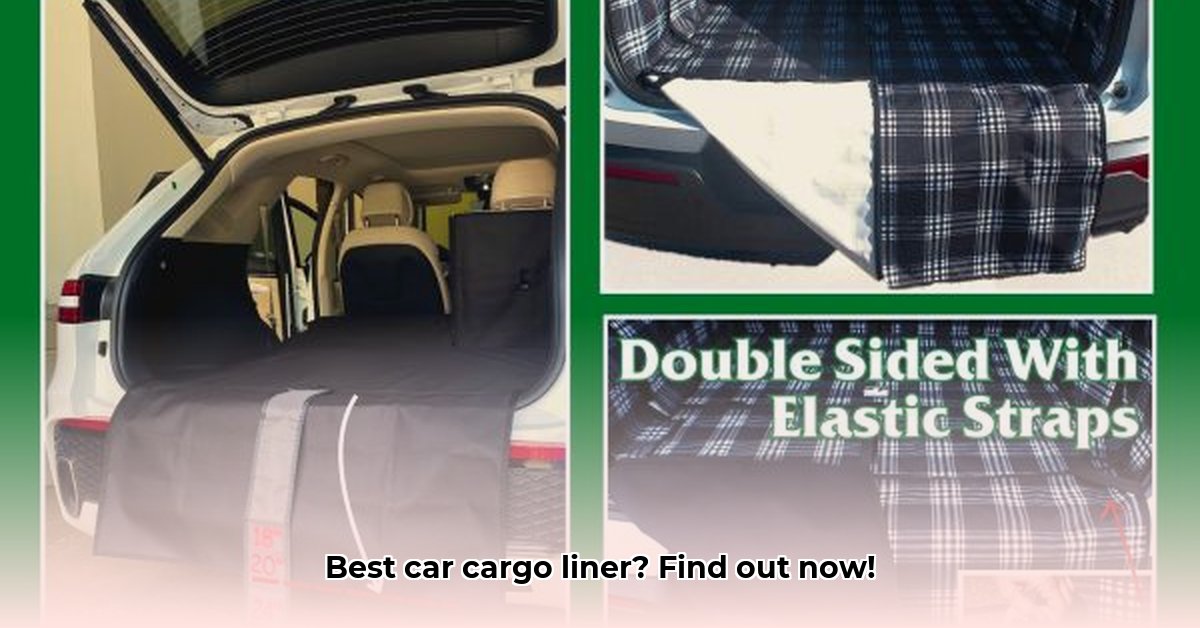
Choosing the right cargo liner can significantly protect your vehicle's interior and simplify cleanup. This guide will help you select the perfect liner, covering material choices, fit types, and essential features, ultimately ensuring your car stays clean and organized.
Material Mayhem: Rubber, Plastic, or Carpet?
The material of your cargo liner significantly impacts its durability and functionality. Let's compare the top contenders:
| Material | Pros | Cons | Ideal Use Cases |
|---|---|---|---|
| Rubber | Extremely durable, waterproof, easy to clean | Can be pricey, heavier than alternatives, may be stiff | Protecting against major spills, heavy loads, outdoor use |
| Plastic | Lightweight, budget-friendly, reasonably durable | Less robust than rubber, might crack under stress | Everyday use, lighter loads, maintaining organization |
| Carpet | Aesthetically pleasing, comfortable, absorbs minor spills | Not waterproof, stains easily, less durable | Protecting against minor scratches, enhancing comfort |
Rubber excels in durability and waterproofing, making it ideal for messy situations. Plastic offers a balance of affordability and functionality for everyday use. Carpet provides aesthetic appeal but requires more care and isn’t suitable for significant spills.
Fit For Your Vehicle: Custom vs. Universal
Choosing between custom-fit and universal-fit liners is a crucial decision impacting both protection and cost.
Custom-fit liners: Molded precisely for your vehicle model, offering superior protection and a clean, seamless look. However, these liners tend to be more expensive. They're like a tailor-made suit for your cargo area.
Universal-fit liners: Designed to fit a wider range of vehicles, offering greater flexibility and lower cost. The tradeoff is a less precise fit, potentially leaving gaps where spills could escape.
Consider your priorities: Prioritize perfect fit and protection? Choose custom. Seeking affordability and flexibility? Opt for universal.
Feature Focus: Enhancing Liner Performance
Several features can significantly improve a cargo liner's functionality. Don't overlook these details:
Raised edges: Prevent spills from reaching your car's interior, minimizing cleaning efforts. A must-have for preventing messes.
Non-slip surfaces: Keep your cargo secure, preventing items from shifting during sudden braking or turns. Safety and organization in one.
Dividers: Organize your cargo efficiently, preventing items from colliding and potentially damaging each other.
These features may seem minor, but they dramatically improve the liner's value and effectiveness.
Your Step-by-Step Guide to Choosing the Perfect Cargo Liner
Measure your cargo area: Accurate measurements are essential, particularly for custom-fit liners. Use a tape measure to get precise dimensions.
Identify your needs: What level of protection do you require? What materials best suit your climate and typical cargo? Are there must-have features?
Research and read reviews: Explore different liner options and check user reviews focusing on durability and fit. Real-world experiences provide invaluable insight.
Compare prices: Consider the liner's lifespan when comparing prices. A more expensive, high-quality liner might ultimately save you money in the long run.
Make your purchase: Select the liner offering the best value and meeting your specific needs.
Choosing the right cargo liner safeguards your vehicle's interior and simplifies organization. By carefully considering these factors, you can find the ideal solution to keep your car clean and protected.